What does the term "slow design" mean?
The term "slow design" itself is often associated with the concept of "slow living," which focuses on slowing down and returning to traditional values. In this context, slow design means the design and production of products with an emphasis on quality, uniqueness, and durability. Prioritizing quality over quantity.
Unlike fast fashion, which focuses on rapid production processes and low costs, slow design emphasizes the quality of materials and craftsmanship while minimizing negative environmental impacts.
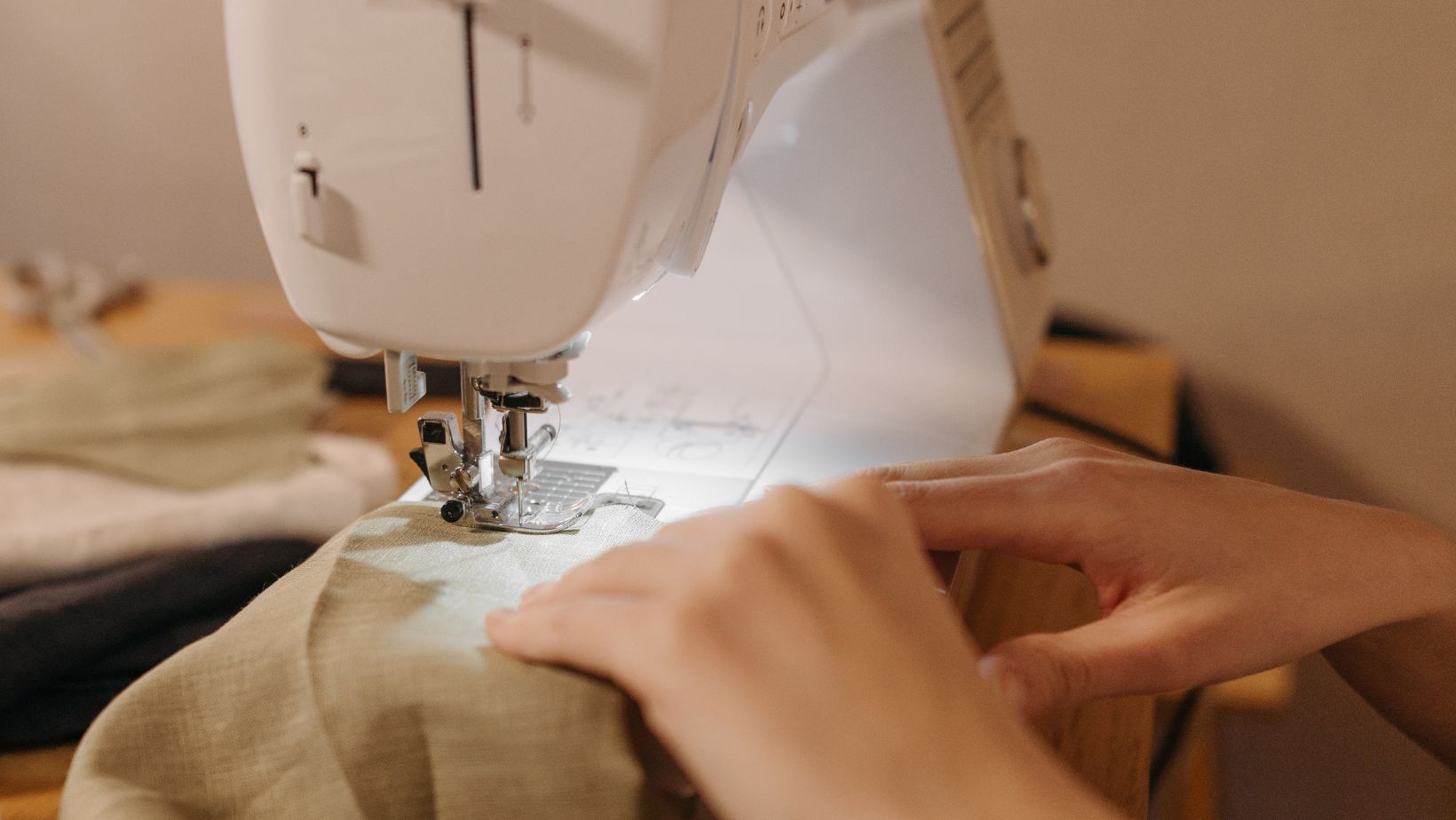
Slow design often utilizes traditional processes and crafts that are passed down from generation to generation. An important aspect is also considering customer needs and preferences. Slow design can be applied to various types of products – clothing, jewelry, furniture, ceramics, and more.
Although the term "slow design" has only become popular in recent years, the concept of quality and durability was also important for many traditional brands and craftsmen in the past. Slow design can be seen as a way to return to these values and to a more sustainable way of production and consumption.
Nowadays, when we often encounter overproduction and overconsumption, slow design can be one of the solutions for a more sustainable future. The emphasis on quality and durability can not only increase customer satisfaction but also minimize negative environmental impacts.
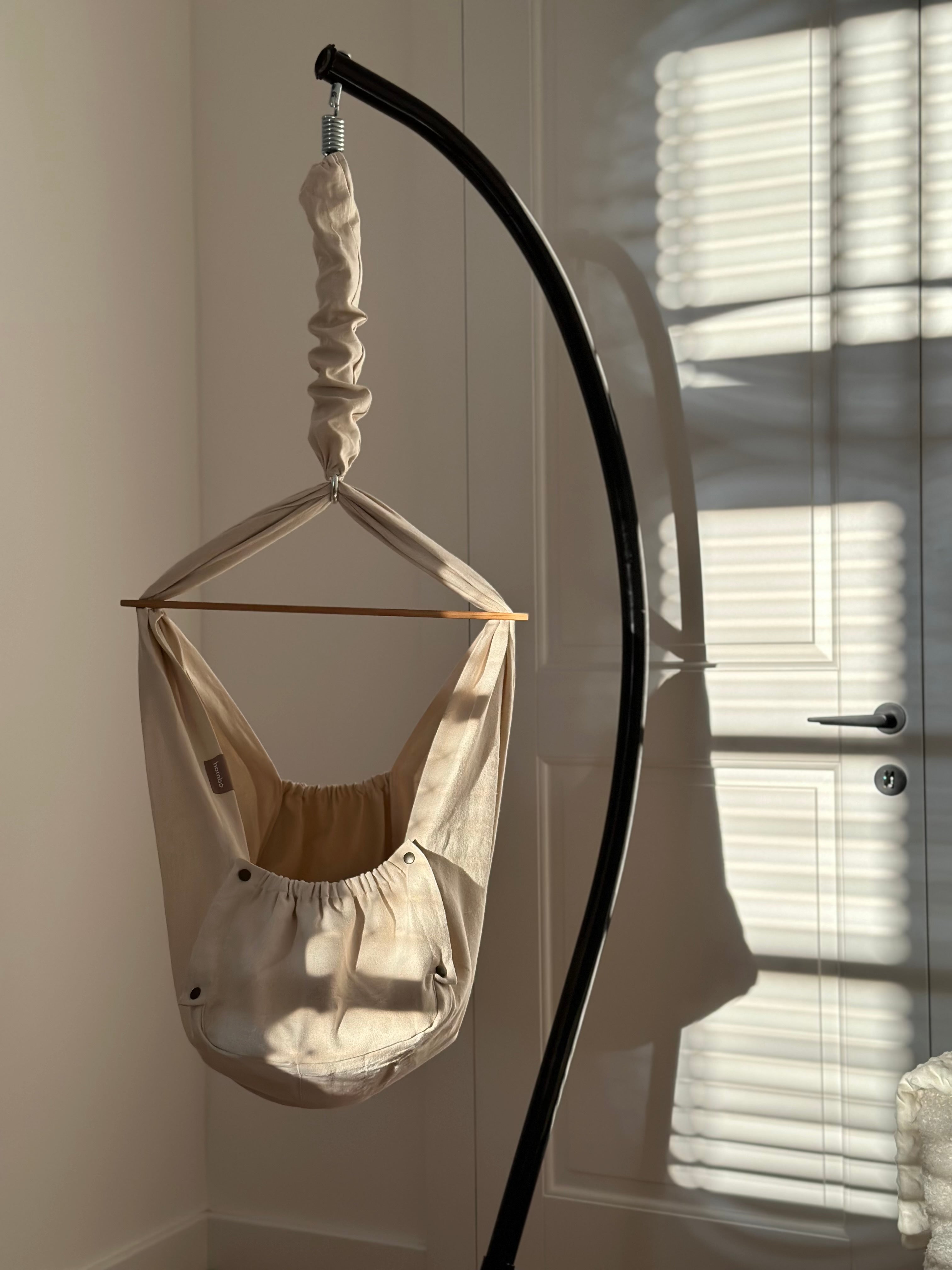
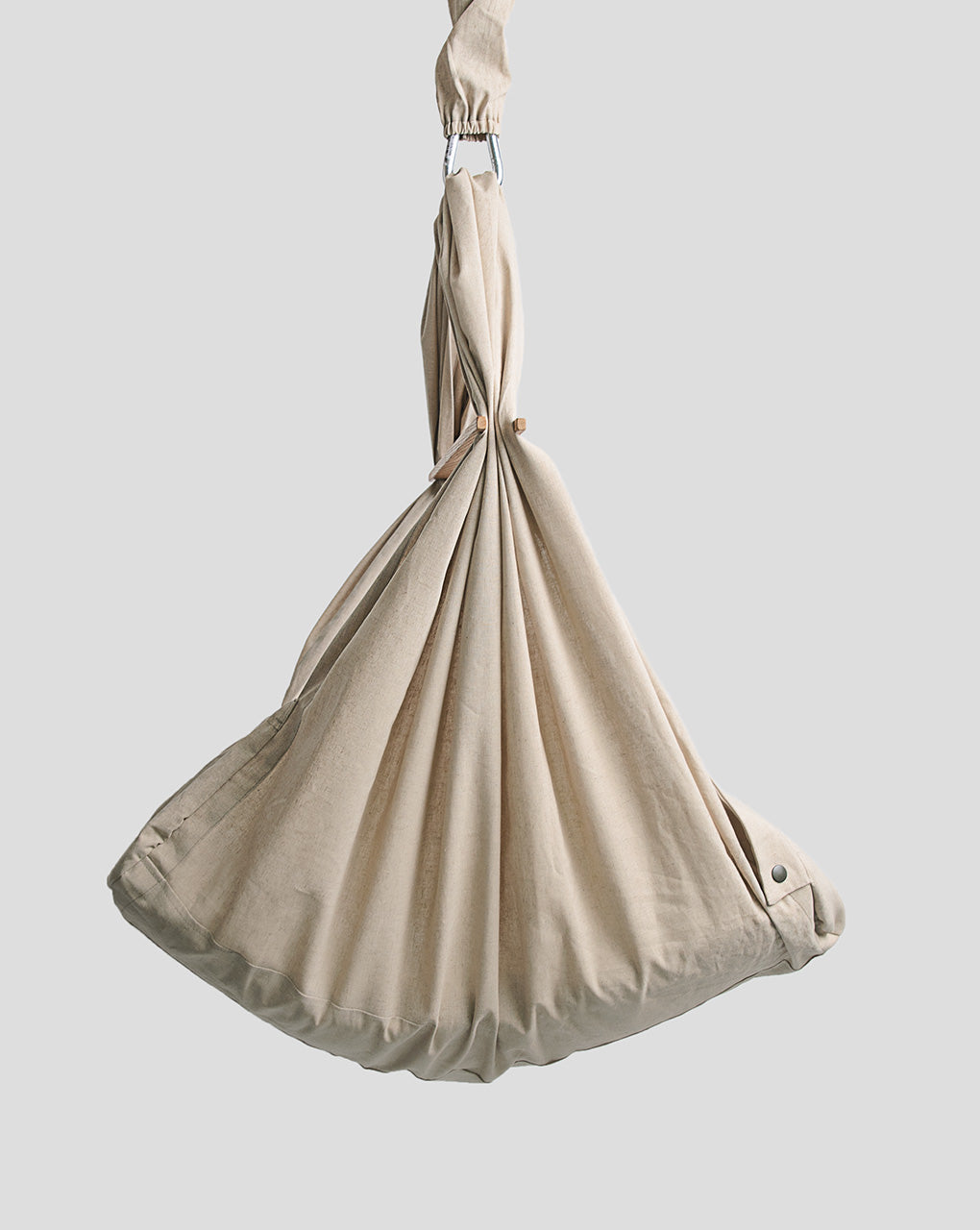
Homba is a slow design brand, with traditional values at its heart. It cares about environmental impacts and is guided by values such as ethics, ecological responsibility, and zero waste. Products are made from natural materials that last for many years, and you can lend, sell, or keep the product for a long time, even for a future generation.
Af Homba Store